
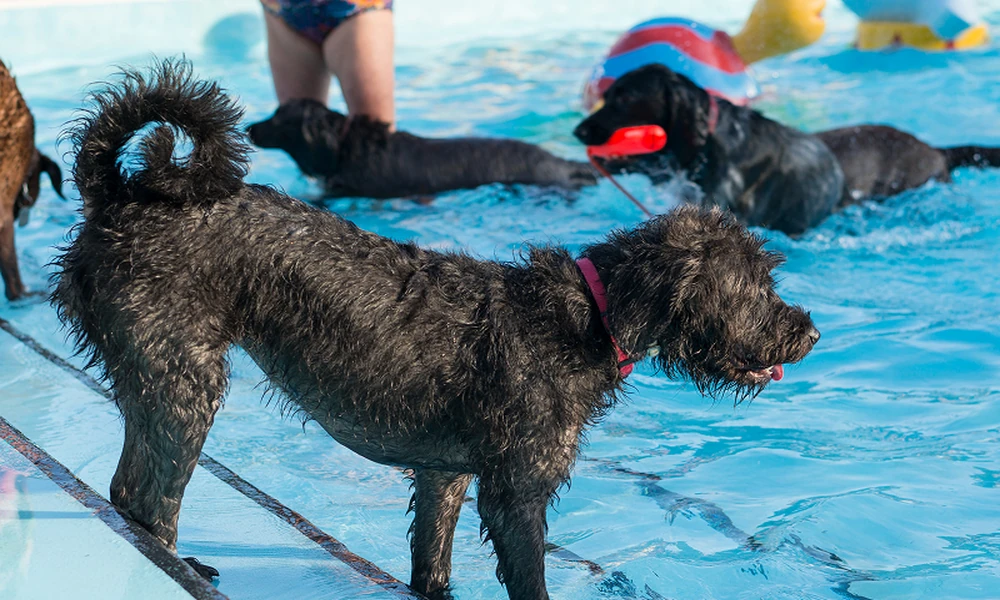

Water-based exercise can provide a different environment for dogs working on mobility, strength or recovery. Hydrotherapy for dogs may be considered as part of a rehabilitation plan, but suitability depends on the animal’s health, physical condition and veterinary assessment.
Owners should understand what the programme involves before booking sessions. The following considerations can help you prepare for a conversation with a veterinary rehabilitation team.
1. What Is the Main Goal?
Ask what the therapy is intended to support. Goals may relate to mobility, controlled exercise, strength or recovery, depending on the dog’s condition.
A clear goal makes it easier to assess progress later. The programme should have a purpose rather than simply placing the dog in water for exercise.
Discuss your dog’s normal activity level and the changes you have noticed. These details can help the veterinary team understand what you hope to achieve.
Whether your dog is recovering from surgery, managing joint discomfort, or working on weight management, defining specific target outcomes helps tailor the speed, depth, and duration of water exercises effectively.
2. Is My Dog Suitable for Hydrotherapy?
Not every dog is suitable for water-based rehabilitation at every stage of recovery. Health status, mobility, behaviour and the underlying condition can influence the decision.
Tell the team about recent procedures, medications and relevant health concerns. The veterinary professional can determine if hydrotherapy is appropriate and when it should begin.
Do not start a programme based solely on another dog’s experience.
Certain conditions, such as open wounds, active infections, or severe cardiovascular issues, may require delaying hydrotherapy until fully resolved. A thorough veterinary evaluation ensures the therapy is both safe and beneficial for your pet’s specific condition.
3. Which Type of Water Exercise Is Appropriate?
Ask how the rehabilitation team selects the exercise format. Different equipment and water environments can provide different forms of support.
The programme should match the dog’s ability and treatment goals. A dog that struggles with balance or movement may require a different approach from a dog returning to activity after recovery.
The professional should explain the purpose of the selected method.
Underwater treadmills offer precise control over water height and movement speed, making them ideal for targeted gait retraining. Swimming pools, on the other hand, encourage non-weight-bearing cardiovascular exercise and broader range of motion.
4. Who Supervises the Sessions?
Ask about the qualifications and experience of the people supervising the programme. Dogs may require close observation during rehabilitation, particularly if they have mobility limitations.
Find out how the team monitors movement, fatigue and comfort. Appropriate supervision helps the session remain aligned with the dog’s needs.
Qualified therapists monitor vital signs, posture, and muscular fatigue throughout each session, making real-time adjustments to maintain safety and maximise therapeutic benefits.
5. How Will Exercise Be Progressed?
Ask how the team decides when to change the programme. Progress should respond to the dog’s condition rather than follow a fixed schedule for every animal.
The veterinary rehabilitation team may adjust exercise intensity or duration as appropriate. Owners should follow the professional’s recommendations rather than increasing activity independently.
Gradual adjustments to water level, treadmill speed, resistance, and session duration allow your dog to build strength and endurance safely without risking overexertion or re-injury.
6. What Should I Do Between Sessions?
Ask if there are home activities or movement restrictions to follow for veterinary rehabilitation and hydrotherapy centre. Rehabilitation usually works best when the entire routine supports the agreed treatment plan.
Your team can explain what activity is suitable between appointments. Avoid adding strenuous exercise because your dog appears more comfortable after a session.
Complementary home routines may include gentle leash walks, targeted stretching, short rest periods, or applying heat/ice packs as directed by your rehabilitation team to support recovery between appointments.
7. How Will Progress Be Reviewed?
Ask what signs indicate improvement and when the plan will be reassessed. Changes in walking, activity, comfort and confidence may be relevant.
Regular reviews allow the team to determine if the programme remains appropriate.
Before You Decide
Before starting hydrotherapy for dogs, consider:
- Your dog’s current health and mobility
- The goal of rehabilitation
- Suitability for water-based exercise
- Who will supervise sessions
- How activity will progress
- What home care may be required
- How progress will be reviewed
A veterinary rehabilitation and hydrotherapy centre can assess your dog’s needs and determine if hydrotherapy belongs in the rehabilitation plan. Preparation should focus on safety, realistic goals and professional supervision.
Contact Bluewater Vet Acupuncture & Rehabilitation to discuss your dog’s rehabilitation needs and whether hydrotherapy may be suitable following veterinary assessment.
7 Hydrotherapy for Dogs Considerations Before Starting

