
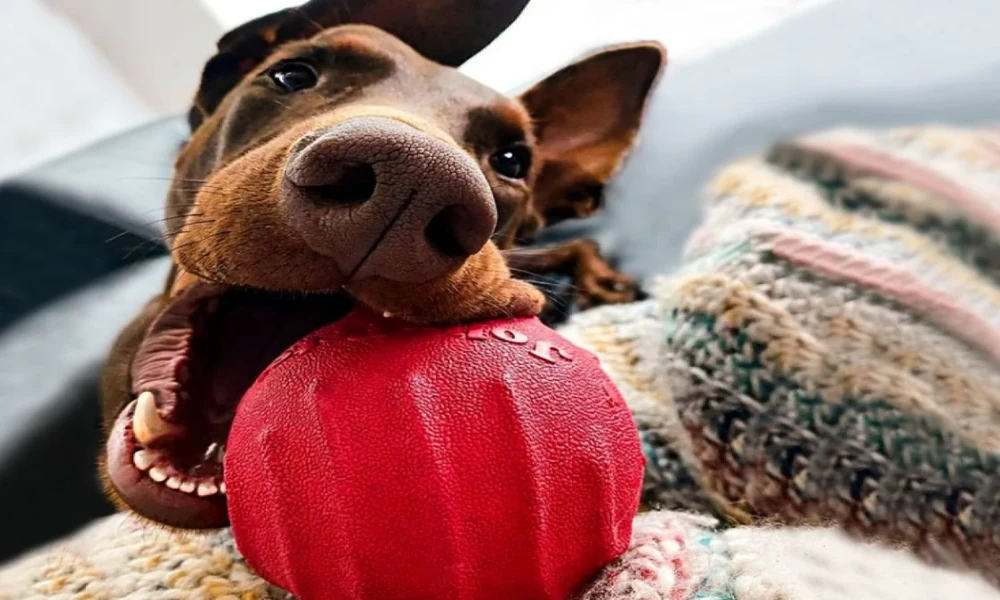

Indoor enrichment can be useful during hot weather, heavy rain, recovery periods or ordinary days when a long outing is not practical. It gives a dog opportunities to sniff, think, search and interact within a controlled environment.
Start with activities that match your dog’s age, mobility and confidence. An energetic young dog may enjoy several short games, while an older dog may prefer a gentle scent search followed by rest. The aim is meaningful engagement rather than constant stimulation.
Food games require very little room. Hide part of the dog’s regular meal or a small reward from WAG in easy, supervised locations around one room. Begin with visible placements and increase the difficulty only after the dog understands the activity.
Turn Mealtimes into a Search
Many dogs finish a bowl of food very quickly. Dividing the meal into several small portions encourages them to use their nose and move around the room.
Ask the dog to wait elsewhere while you place food in safe, accessible locations. Release them with a consistent cue and allow them to investigate.
Avoid hiding food near cables, household chemicals or objects the dog might chew. Watch the first sessions closely to ensure they search calmly rather than overturning furniture.
Use a Rolled Towel
Lay a towel flat, scatter a small amount of food across it and roll it loosely. The dog can use their nose and paws to open the layers.
Make the first attempt easy. A tightly rolled or knotted towel may cause frustration before the dog understands the task.
Supervise throughout and remove the towel if the dog begins tearing or swallowing fabric. This activity suits dogs that search carefully, but it is not appropriate for every chewing style.
Create a Cardboard Search Box
Place loosely folded paper and a few food pieces inside a clean cardboard box. Allow the dog to sniff and move the paper to find the rewards.
Choose a box without staples, tape or sharp edges. Keep the activity on an easy-to-clean surface and stay nearby.
Some dogs enjoy shredding cardboard, while others try to consume it. End the game if packaging is being swallowed. The search should remain safe rather than becoming a test of how much destruction the box can withstand.
Teach the Names of Toys
Select one familiar toy and say its name before presenting it. Play briefly, then repeat the name during later sessions.
Once the dog appears to recognise it, place the toy beside a different object and ask for the named item. Reward any correct investigation at first.
Build the exercise slowly. Dogs do not need a large vocabulary to benefit. Learning the names of two or three favourite toys can provide an enjoyable mental challenge.
Practise a Hand Target
Hold your open hand near the dog’s nose. Mark and reward when they choose to touch it.
Move your hand slightly to the side or ask the dog to take one step towards it. Short repetitions can be practised in a hallway or clear section of the lounge.
A hand target is useful beyond enrichment. It can guide the dog towards a mat, away from a doorway or into a convenient position without physical pressure.
Build a Mat Routine
Place a comfortable mat on the floor and reward the dog for approaching it. Gradually reward standing, sitting or lying on the surface.
Keep the early duration short. Release the dog before they become restless, then invite them back later.
A reliable mat routine can help during meals, visitors or household tasks. Practise when the environment is quiet before expecting the behaviour around greater distractions.
Rotate Familiar Toys
Dogs do not need continuous access to every toy they own. Keep a few available and store the others safely.
Rotate them every several days. A familiar toy can regain interest after a short absence, reducing the need to purchase new products constantly.
Inspect everything during rotation. Discard toys with loose parts, damaged seams or sections that can be swallowed.
Add Thinking to Everyday Routines
Ask for a simple behaviour before opening the garden door, placing the food bowl down or beginning a game. A hand target, brief pause or movement to a mat can turn an ordinary moment into useful practice.
Keep expectations reasonable. The dog should not have to complete a complicated sequence for every basic need.
These small exercises work because they fit into normal life. A few seconds repeated consistently can provide more value than an elaborate activity attempted once.
Adjust Games for Smaller Homes
A hallway, kitchen corner or open section of floor can support many indoor activities. Games do not need running or jumping to be engaging.
Use scent searches, gentle tug, toy identification and short training exercises where space is limited. Place non-slip mats on smooth floors.
Avoid encouraging fast movement around sharp furniture, stairs or crowded areas. Choose controlled activities that suit the available space.
Consider Puppies and Older Dogs
Puppies need simple activities and close supervision. They may explore by chewing and swallowing, so household materials should be selected carefully.
Older dogs may appreciate easy scent games that do not require climbing or bending awkwardly. Place rewards at a comfortable height and allow additional time.
Sudden reluctance to move, search or eat should not be dismissed as boredom. Speak with a vet if you notice persistent changes in mobility, appetite or behaviour.
Recognise When the Dog Needs Rest
Enrichment should not fill every waking moment. Dogs need uninterrupted sleep and opportunities to step away from interaction.
Signs of fatigue can include walking away, losing interest, becoming unusually excitable or refusing familiar rewards. End the activity and allow the dog to settle.
A predictable rhythm often works well: a short game, access to water and a quiet rest period. Observe how your dog responds and adjust accordingly.
Keep Activities Safe
Supervision is especially important when food, fabric, cardboard or small objects are involved. Remove anything the dog attempts to swallow.
Account for the food used during games. Using part of the dog’s measured meal can prevent enrichment from adding a large number of extra calories.
Change one element at a time when increasing difficulty. A search should provide achievable success, not leave the dog distressed because the reward cannot be reached.
Indoor enrichment can be simple, inexpensive and easy to repeat. Scent work, short training exercises, toy rotation and structured settling all give dogs useful ways to engage with their environment. The best activities are those that suit the individual dog, fit comfortably into the home and leave them ready for a calm rest afterwards.

